The favourable morphology of the local terrain exposes the vines to sufficient sunlight and air flow, which is essential for the development of quality and healthy grapes. The subsoil, made up of decomposed volcanic tuff mixed with basalt stones, boulders and basalt outcrops, creates a soil with a unique mineral composition, which is then reflected in the wine.
It is the westernmost producing vineyard in the Czech Republic. Due to the cooler climate, higher than usual altitude (335 - 380 m above sea level) and proximity to the Ore Mountains, the vineyards sometimes face late spring frosts (e.g. 2020 - complete freezing, 2024 - partial freezing).
The old varieties have the phenological ripening of the grapes (and thus the harvest) shifted to later autumn dates, which allows the grapes to ripen to ideal to peak parameters. Quality grapes then allow me to create wines with specific complex flavours/aromas and also higher acidity, which is becoming a "scarce commodity" in classical wine regions such as Moravia, let alone Italy. However, the late harvest means a dependence on favourable autumn weather, which is not the rule ... However, even with these difficulties, the wine of each variety of each vintage is and will be different in its expression, which is the greatest reward for the wine connoisseur.
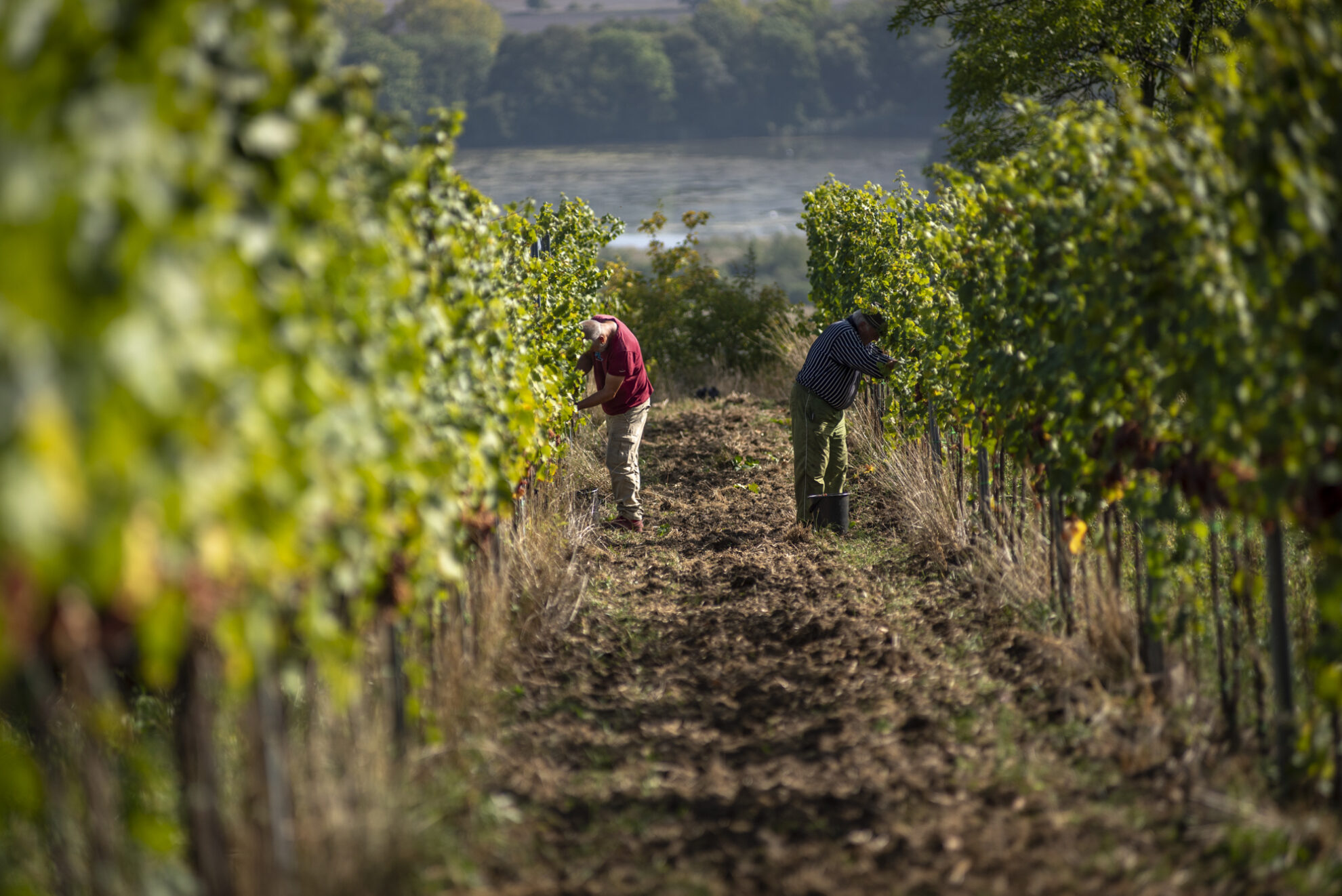
The vineyards have been farmed in a certified organic regime since the beginning and without the use of copper sprays. As much as possible I have tried to preserve the habitats on the land (draws, old trees, shrubs) and perhaps even contributed to the creation of new ones (stone piles and rows). This is, in my opinion, a gentle approach to maintaining and, more likely, already restoring biodiversity in a landscape plundered by today's notion of "agriculture".
*Codex diplomaticus et epistolaris regni Bohemiae I. Ed. Gustav Friedrich, Pragae 1904/1907. In HLAVÁČEK, Petr - From the history of winemaking in the Kadaň region in Proceedings The past and present of winemaking in Kadani, City of Kadan, 2009)

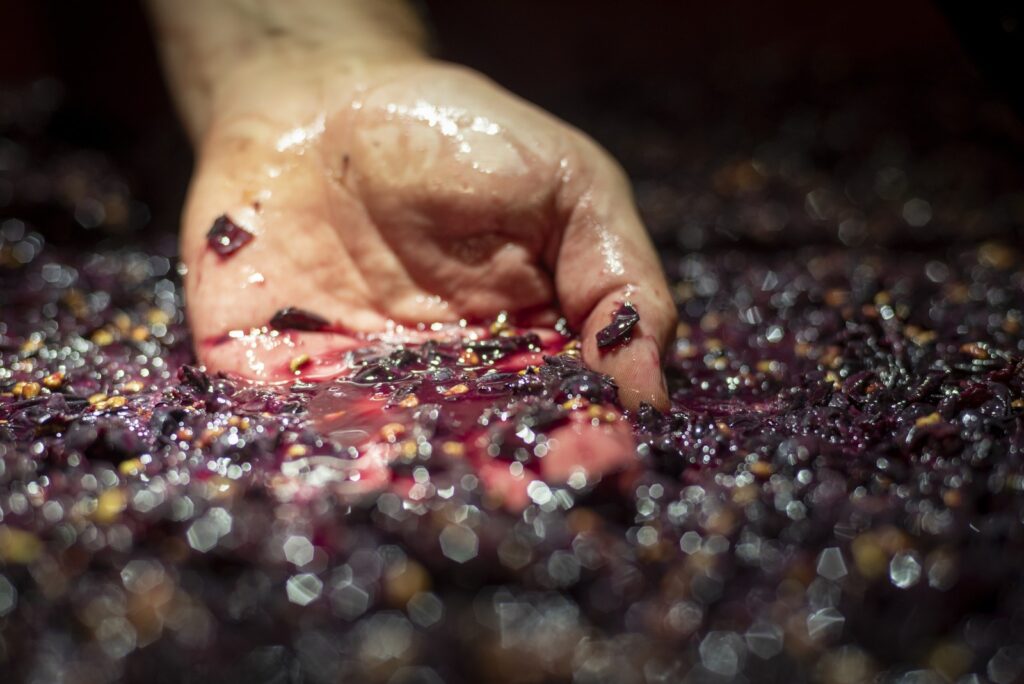 Sometime around 2010 I decided to delve into the mysteries of viticulture and winemaking, because the standard wine production ("Eurovino") no longer appealed to me, and the questions about viticulture were sometimes no longer answered in the cellars in Moravia 🙂 .
Through self-study and discussions with fellow natural winemakers, I began to educate myself in both and at the same time work towards my dream. This involved understanding the principles of (sustainable) farming, viticulture, winemaking or even getting behind the wheel of a tractor for the first time in my life and learning how to operate it including the working equipment. A geologist by profession, I also used my knowledge of the profession to evaluate the subsoil, select sites, varieties and machinery.…
Sometime around 2010 I decided to delve into the mysteries of viticulture and winemaking, because the standard wine production ("Eurovino") no longer appealed to me, and the questions about viticulture were sometimes no longer answered in the cellars in Moravia 🙂 .
Through self-study and discussions with fellow natural winemakers, I began to educate myself in both and at the same time work towards my dream. This involved understanding the principles of (sustainable) farming, viticulture, winemaking or even getting behind the wheel of a tractor for the first time in my life and learning how to operate it including the working equipment. A geologist by profession, I also used my knowledge of the profession to evaluate the subsoil, select sites, varieties and machinery.… 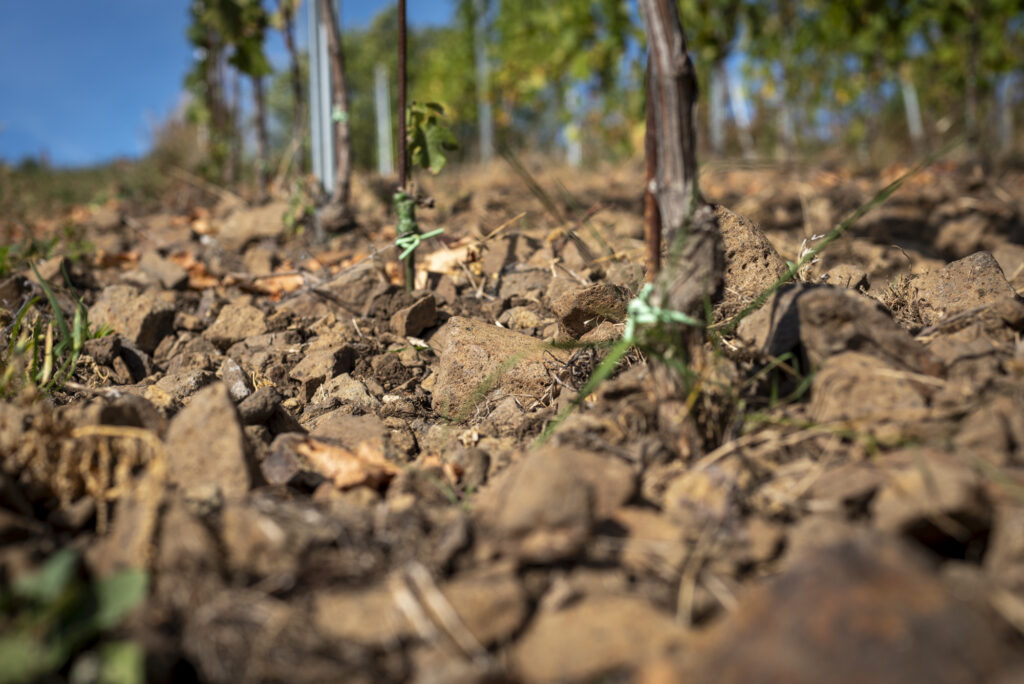 Years of preparation and effort resulted in the establishment of the first 2.5 hectares of vineyards in 2018 (more than memorable hand planting with a plough and spade), followed by 2.5 hectares in 2019 and 2.5 hectares in 2024 (both machine planting). In total, some 41 000 vines are planted.
The whole project has been an 'either-or' experiment from the outset. The lottery was whether it would be possible to (re)grow vines in this westernmost of the country's wine-growing regions and, if so, in what quality. You, wine lovers and winegrowers, have to judge whether it has succeeded...
Years of preparation and effort resulted in the establishment of the first 2.5 hectares of vineyards in 2018 (more than memorable hand planting with a plough and spade), followed by 2.5 hectares in 2019 and 2.5 hectares in 2024 (both machine planting). In total, some 41 000 vines are planted.
The whole project has been an 'either-or' experiment from the outset. The lottery was whether it would be possible to (re)grow vines in this westernmost of the country's wine-growing regions and, if so, in what quality. You, wine lovers and winegrowers, have to judge whether it has succeeded...